
Inclusive Communication & Feedback Culture
Engage with your community in an authentic and inclusive way.
Inclusive creators don’t just post accessibly—they listen, learn, and uplift the voices of the disability community.
Topics
- Responding to Feedback & Staying Accountable
Ways you can make social media content accessible:
Inclusive Representation in Social Media Content
Responding to Feedback & Staying Accountable
Engaging with the Disability Community Authentically
Take a Guess
There are a lot of conversations and interactions that you will have on social media. It’s important to be inclusive and culturally aware of how you are communicating and representing your brand.
Try one of these activities to take a guess about different ways to respond to comments on social media!
This activity is appropriate for learners needing movement and manipulation.
This activity is appropriate for learners using screen readers or needing traditional questions.
Inclusive Representation in Social Media Content
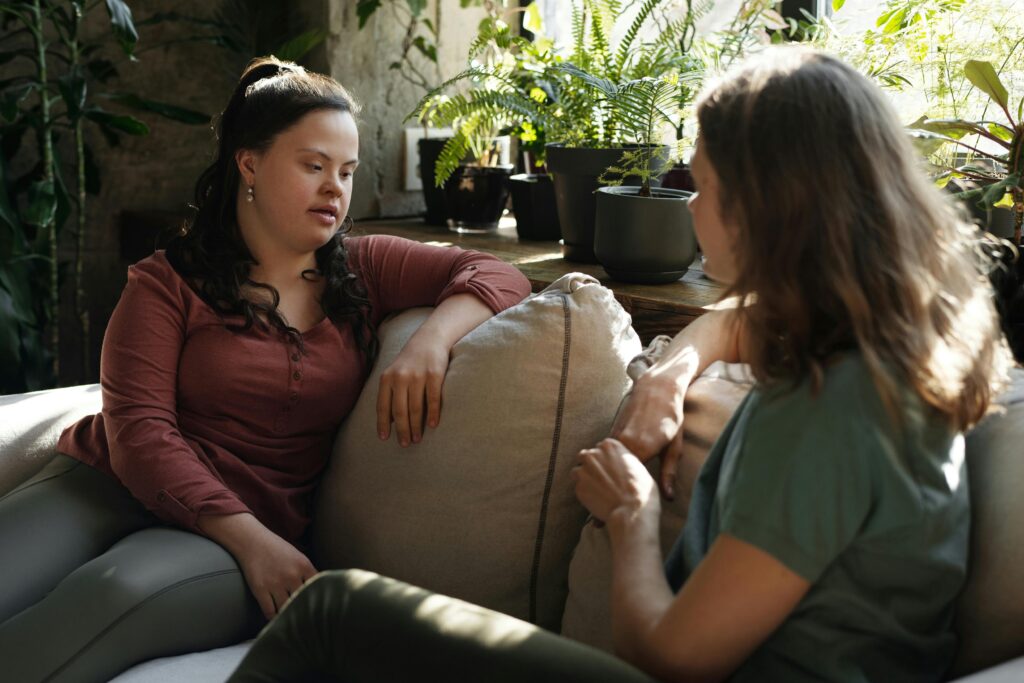
Representation shapes how people see themselves—and how others see them. When people with disabilities are left out, stereotyped, or portrayed only as objects of pity or “inspiration,” it reinforces harmful beliefs. Inclusive representation means showing real, diverse, and authentic stories of disabled people—not just as “overcomers” or symbols of motivation, but as full humans with agency, joy, struggle, talent, and community.
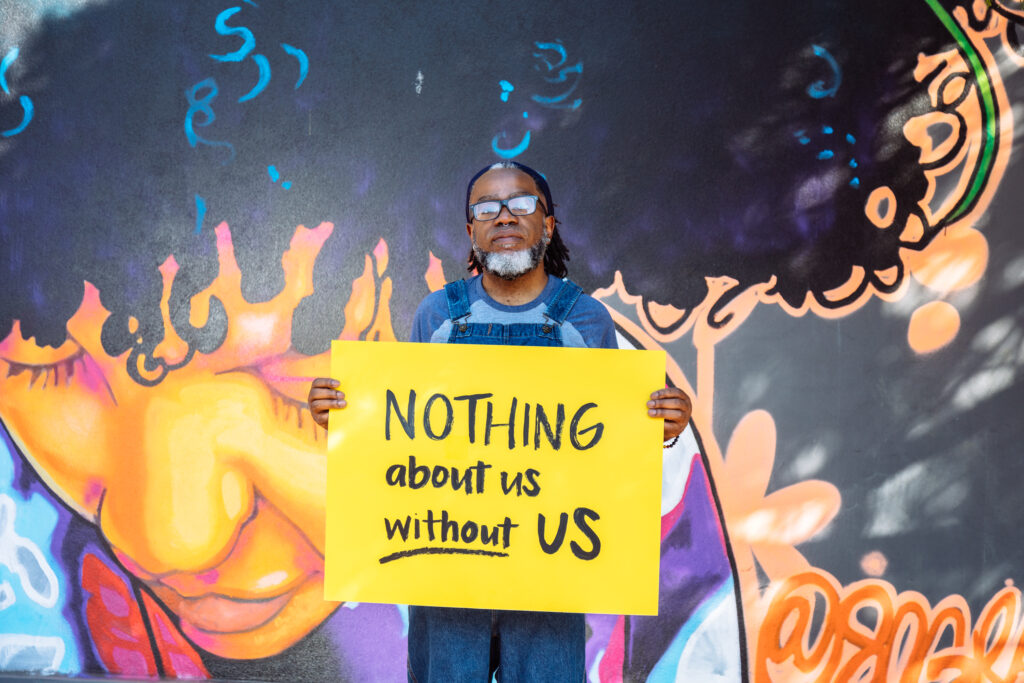
What Inclusive Representation Looks Like:
- Featuring people with disabilities in everyday, empowered roles
- Using respectful and accurate alt text (e.g., not “a brave wheelchair user smiling,” just “a person using a wheelchair smiling”)
- Highlighting accessibility features without making them the entire focus
- Including disabled people as creators and leaders—not just subjects of your content
Language & Tone Tips
- Use neutral, factual language when describing people
- Avoid terms like “suffering from” or “confined to a wheelchair”
- Be thoughtful with labels: some people prefer person-first language (“person with autism”) while others prefer identity-first (“autistic person”)—there’s no one-size-fits-all
- When in doubt, listen to how people describe themselves and follow their lead
Common Stereotypes to Avoid:
- “Inspiration porn” – Content that portrays people with disabilities as inspirational just for existing
- Pity framing – Posts that frame disability as a tragedy to overcome
- “Supercrip” narratives – Highlighting extraordinary achievements as the only way to value disabled people
Responding to Feedback and Staying accountable
Even with the best intentions, you might get something wrong. That’s okay—what matters is how you respond. Accessibility isn’t about perfection—it’s about care, and that includes being open to correction and learning. When someone gives you feedback about something inaccessible, it’s not an attack. It’s a chance to grow and do better.
How to Respond to Feedback Well
- Thank the person – “Thanks for pointing that out. I really appreciate it.”
- Acknowledge the mistake – “I didn’t realize the captions were missing—thanks for letting me know.”
- Take action – Fix the issue and, if needed, repost with corrections
- Share what you learned – This helps others learn, too, and shows your values publicly
What Not to Say
- “It’s not a big deal.”
- “I didn’t mean to offend anyone, so I don’t have to fix it.”
- “Well, other people liked it.”
- These responses shut down the conversation and make people feel dismissed or excluded.
Accountability in Practice
- Update posts when you realize they’re not accessible
- Keep learning—accessibility standards evolve
- Invite feedback by adding: “Let me know if there’s a better way to share this!”
- Build trust over time by showing your effort, not just saying “I care about inclusion”
Engaging with the Disability Community Authentically
Why It Matters:
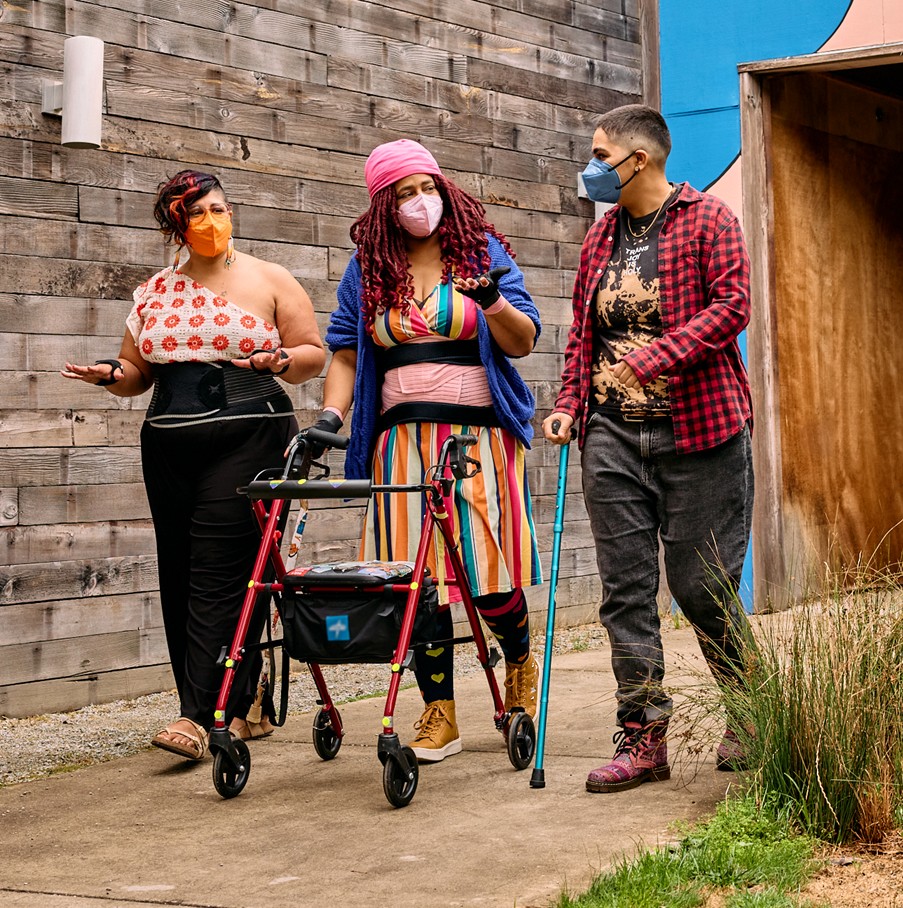
Accessibility isn’t something you do for disabled people—it’s something you do with them in mind, and ideally, in community with them. Authentic engagement means listening, following, collaborating, and amplifying disabled voices. It also means knowing when to step back and uplift others instead of speaking over them.
Ways to Engage Authentically:
- Follow and support disabled creators
– Read their content, learn from their posts, and share their work (with credit!) - Share the mic
– If you’re posting about disability, include the voices of people with lived experience - Tag and credit your sources
– Don’t repost accessibility info without acknowledging where it came from - Pay or promote fairly
– If you’re using someone’s story or content in your work, make sure they benefit from it too
Signs of Authenticity:
- You’re not trying to “be the voice” for the community
- You’re willing to be corrected and grow
- You center stories, needs, and leadership from within the disability community
- You show up even when it’s not trending